Is My 2-Year-Old Behind? A Speech Guide for Worried Parents
If you’ve found yourself watching another toddler chatter away at the playground while your own stays quiet, you’re not alone, and you’re not overreacting for wondering. “Is my child behind?” is one of the most common questions parents bring to a speech-language pathologist, and it deserves a clear, honest, and reassuring answer.
First, the most important thing to hear: your child is not a checklist. Milestones are a guide, a rough map of how language tends to unfold; it’s not a set of rules your child has to follow. Children develop on their own timelines, in their own order, and a child who is a little “behind” on a chart can be completely healthy and thriving. This guide is here to help you notice, not to make you panic.
How many words does a 2-year-old typically say?
Around their second birthday, many children:
- Use somewhere in the range of 50 words or more (and this varies a lot child to child)
- Begin combining two words together (“more milk,” “daddy go,” “no bed”)
- Can be understood by familiar caregivers roughly half the time
- Follow simple one-step directions (“get your shoes”)
- Point to familiar objects or body parts when named
A few things worth remembering: “words” don’t have to be perfect. If your child consistently says “ba” for ball, that absolutely counts, and so do animal sounds and word approximations. Some children pour their energy into walking, climbing, or problem-solving first and language a little later. Bilingual kids may split their words across two languages. And plenty of quiet toddlers who take their time go on to talk just fine. These numbers describe a trend, not your child’s worth or future.
What is a “late talker”?
“Late talker” isn’t a diagnosis or a label to be afraid of, it’s simply a way SLPs describe a child (usually 18 to 30 months) whose spoken words are coming along more slowly than average, but who is understanding language, playing, and connecting socially just as you’d expect. In other words, it often describes a child who is developing beautifully in every way and taking their own time to talk.
A common reference point is that by 24 months, a child using fewer than 50 words and not yet combining two words may be worth a closer look. Notice the word look, t’s an invitation to pay attention, not a judgement or outcome.
Here’s the genuinely encouraging part: research suggests more than half of late talkers catch up on their own by preschool. Many children simply bloom on a later schedule. An evaluation isn’t about assuming the worst, it’s about replacing worry with information so you can relax into whichever path your child is on.
Signs it’s worth a closer look
None of these mean something is “wrong” with your child, they’re simply cues that a friendly professional check-in could be helpful. Trust your instincts if you notice any of these:
- Fewer than 50 words at 24 months
- Not combining two words by age 2
- Loss of words or skills your child previously had
- Little interest in communicating; not pointing, gesturing, or trying to get your attention
- Difficulty understanding simple directions
- Very limited imitation of sounds or words
- You (the parent) understand less than half of what your child says at age 2
You don’t need to wait until a certain age or hit a certain threshold to ask for help. If you have a concern right now, an evaluation is appropriate right now.
“Should I wait and see?”
This is the advice many parents hear from well-meaning friends, relatives and even their child’s pediatrician; and sometimes it’s right, because so many late talkers do catch up. But “wait and see” has a cost when a child isn’t going to catch up on their own: you lose months of the window when support works best.
A speech evaluation isn’t a commitment to years of therapy. Often it’s simply a professional confirming your child is on track, which is worth the peace of mind, or catching something early enough that a little support makes all the difference. There is no downside to knowing.
What you can do at home starting today
Whether or not you pursue an evaluation, these SLP-backed strategies build language during everyday moments, and the best part is there are no flashcards required:
- Narrate your day. Talk through what you’re doing: “I’m washing the red apple. It’s cold and wet.” Your child is soaking up far more than they say back.
- Follow their lead. Talk about whatever your child is looking at or playing with in the moment. Interest drives learning.
- Add one word. When your child says “ball,” you say “big ball” or “roll ball.” Model the next step up, don’t correct.
- Pause and wait. Ask a question or hold up two choices, then give a slow count of five. Silence gives your child room to try.
- Read every day. Point to pictures, name things, and let them turn the pages. Repetition is a feature, not a bug.
- Cut back on screens. Language grows through back-and-forth interaction, not passive watching. If your child is highly motivated by screen time, make sure you are sitting right alongside them and making it interactive.
Check out our Activities blog for more ideas on how to engage your child.
A quiet two-year-old is very often just fine, a wonderful, healthy kid moving at their own pace. Milestones are a map, not a measuring stick, and your child is allowed to take a different route. If you’d like reassurance, or your gut is nudging you, a speech-language evaluation is a gentle, low-stakes way to trade worry for clarity, whatever the answer turns out to be.
However your child’s language unfolds, they are learning, growing, and exactly who they’re meant to be. You’re already doing the most important thing, which is paying attention with love.
Concerned about your child’s speech? Contact us for a friendly, no-pressure conversation, we’ll tell you honestly whether your child is on track or could benefit from support.
For additional information, check out our Late Talkers blog here.
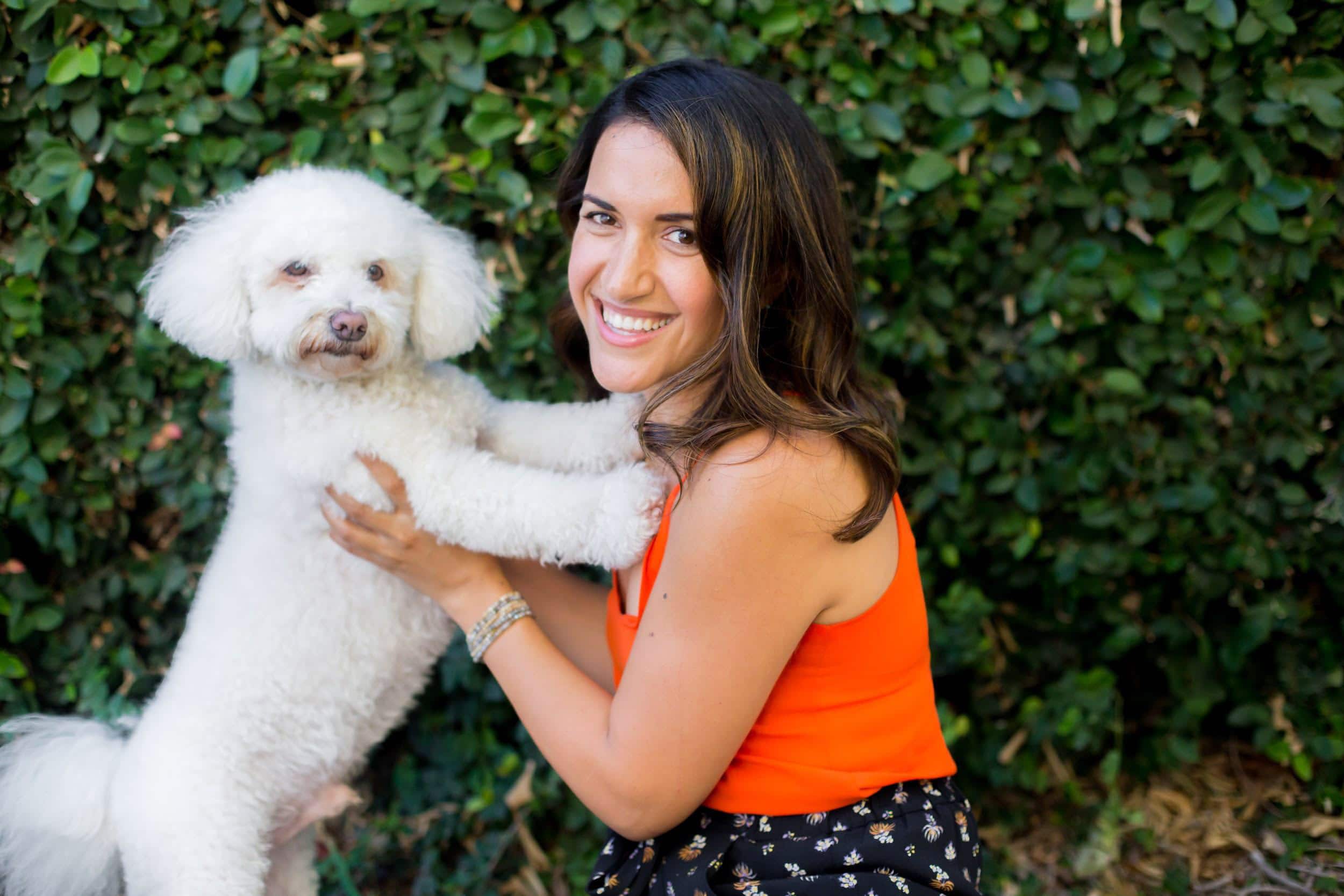
SHOLEH SHAHINFAR
M.A. CCC-SLP, RYT
Sholeh Shahinfar is the Founder of Valued Voices, a licensed Speech Language Pathologist, Child Communication Specialist and Certified Oral Motor Therapist. She is passionate about uplifting children’s voices in the world and inspiring self-expression. In her free time, Sholeh embraces a vegan lifestyle, loves going to the ocean, exploring nature with her pup Kobe, practicing yoga, traveling, and spending time with her loved ones.