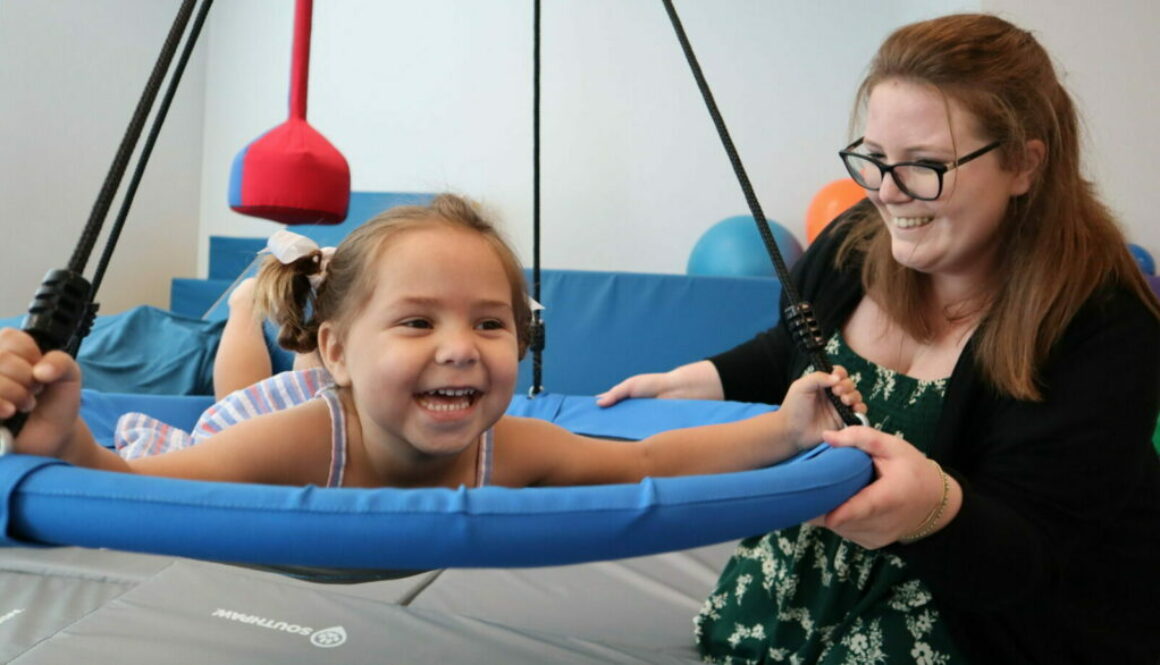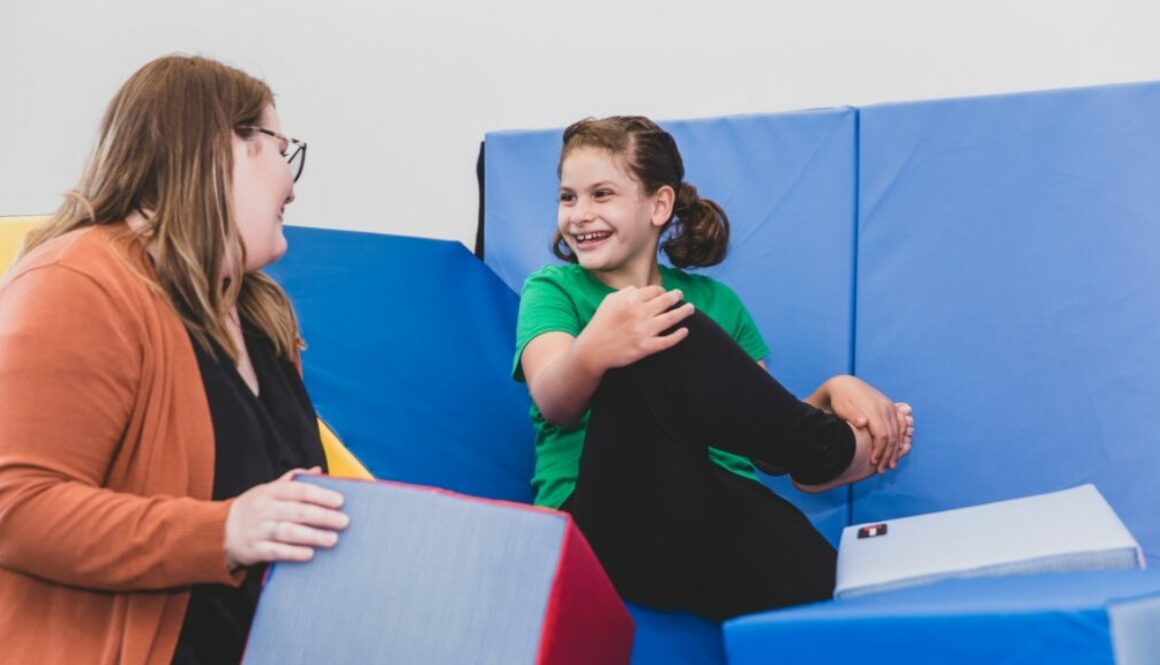
As school starts back up for your little students, it can be difficult to make the transition from summer fun to the routine of school. The after-school time period can be so challenging and the demands of homework and the fatigue from being in a classroom again can result in tantrums and big feelings.
Here are my top five tips for regulation after school.
1. Take a movement break
Oftentimes, kids are expected to sit in their classroom for longer stretches of time, and expecting them to come right home and sit to complete homework can be too much. Try incorporating a movement break either before pick up (on the playground at school before leaving if possible) or when you get home. This can help with regulation, and improve focus with homework later on.
2. Get a snack
We all have tried to power through a task when we are hungry. How do you typically feel when you’re hungry? If you’re anything like me, you probably are not your best. Our kids are the same! Making sure they have a snack and a drink before asking them to complete any tasks is a great strategy for promoting regulation.
3. Set time for homework
Setting a clear schedule and time for homework is key. None of us like being told out of the blue that we have to complete a task we don’t like. I would hate to come home from work and have someone tell me that I need to work on my taxes or setting up a new printer (both activities aren’t my favorite ). It’s the same for your kids! Set a time for homework and stick to it.
4. Flexible seating
I often tell families at the office, “What is your priority? That your child sits at the table or that they are completing the work?”. There is no unwritten rule that says homework must be completed at a desk and if your little one prefers to stand, lay down, or sit on the floor, as long as they are focused and doing the homework, I say let them!
5. Visual schedule and timers
Predictability on a small scale can be so helpful during times of big life transitions. For example, going back to school is a big change, but it can be helpful to have a plan for after school so that not everything in the day is a surprise. Now even if you have the same plan everyday, you can’t assume that your child “knows the routine”. I highly recommend having a visual schedule of some kind to keep your afternoons on track and keep everyone on the same page. Timers can also be so helpful for transitions. For more information on transitions, check out our transitions blog.
While going back to school is a huge change for everyone in the family, there are definitely ways to support self-regulation after school. If you have questions or more concerns about your child’s development, reach out to our office for a complimentary consultation!
Kaelyn Green is a licensed occupational therapist at Valued Voices. She is certified by the University of Southern California in Sensory Integration and is an advocate for addressing underlying sensory functioning in order to improve occupational performance. She is passionate about meeting children and families where they are at and seeks to tailor interventions to the unique needs of her clients. When she is not working, you will find Kaelyn taking care of her two goldendoodles, working in her garden, or taking trips to the Central Coast.
What are the stages of gestalt language development?
If you are curious to learn more about the six stages of gestalt language development, please click the button below.
Potty training is a meaningful milestone for any child, and each family’s experience is wonderfully unique. This collaborative blog post combines the neurodiversity-informed perspectives of a pediatric Occupational Therapist and a pediatric Speech Language Pathologist who offer valuable tips to support the transition from diapers or pull-ups to independence in bathroom hygiene!
Communication is an essential part of potty training. It’s how children express their needs, understand the process, and connect their actions to new words and routines. For some children, learning to recognize their body’s signals and communicate these new feelings may require additional time or individualized support – this provides a beautiful opportunity to foster language development in a meaningful and impactful way.
The Importance of Sensory Processing in Potty Training
Whether it’s bright lights reflecting off mirrors, the sound of a toilet flushing, the unexpected smells…there is a lot of sensory input all in a little space! For individuals who have sensory processing differences, this can be a daunting space to be in. Sensory processing difficulties can impact discrimination (our actions in response to sensory input) modulation (or the way our nervous system reacts to input to keep us safe) or registration (the way our body takes in input from the environment and our bodies).
Before we begin, here are some terms to know:
Registration:
If you are having difficulties registering input, you might also be having a hard time registering when you need to go to the bathroom. We have a sensory system called interoception which is how our nervous system registers when we are hungry, thirsty, or need to use the restroom. If this system is under-responsive, it can be difficult to know when you need to use the bathroom in time to avoid an accident.
Modulation:
Modulation difficulties can involve hyper-responsivity to input and hypo-responsivity. If you are hyper-responsive, the bathroom input can be overwhelming and may cause a lot of anxiety that negatively impacts potty training. Between the sights, sounds, and smells- the bathroom can be overwhelming for any of us!
Multimodal Communication:
Individuals can use verbal speech, sign language, Augmentative and Alternative Communication (AAC) devices, facial expressions, gestures, and so much more to express themselves! Multimodal Communication is used daily by most people without realizing it! It occurs when individuals utilize two or more methods to convey a message to others.
We always hear, “your child will tell you when they are ready” and it seems cliche but it’s true! If your child is letting you know (in any capacity) that their diaper is soiled, or if they are communicating that they need to go before soiling their diaper, these are good indicators they might be ready to potty train. If your child is going through the night, or most of the night, without soiling their diaper this is also a sign that they may be ready. Children often start potty training between 18-36 months of age, but developmental, sensory processing, and other factors can influence this so it is most important to go at your own child’s pace! Remember, kids can potty train in one weekend, or over the course of months. They get to the same goal at the end!
2. Predictable Routines
Kids thrive on routines, and potty training is no exception. Consistency creates trust and gives children confidence as they know what to expect. Setting regular times for bathroom breaks, such as after meals or before bedtime, can make the process feel seamless. Pairing routines with simple, positive language, like, “It’s potty time!” or “Time to wash our hands now,” reinforces understanding and keeps the experience light and encouraging.
3. Visual Supports
Visual supports, such as picture schedules or simple diagrams, are wonderful tools to create clarity and predictability. By teaching the sequence of potty routines visually, you give children something consistent and tangible to refer to, making each step feel more achievable. For instance, you might show pictures or symbols representing each step, such as pulling down pants, sitting on the potty, flushing, and washing hands. Reviewing these visuals together helps build understanding and can also reduce overwhelm by breaking tasks into smaller, easier-to-grasp pieces.
4. Start the Conversation
Read books, watch children’s programs geared towards potty training, and talk about it! Practice “frontloading” and demonstrate elements of the potty training process for your child. Explore the bathroom with your kids, explain what the different faucets do, have them practice flushing the toilet, model how to use the toilet, and more. Potty training is going to involve a lot of talk about poop and pee and our bodies, and it’s important to talk about it! Remember that the bathroom and the process of having a bowel movement or urination itself can cause anxiety for children, and exploring the steps involved before asking your child to use the potty is important. We want to take the anxiety out of the process for our kids and ourselves.
5. Start Small
When you make the decision to potty train, whether it’s in one weekend or over time, start small. We often encourage parents to take a soiled diaper and have the child help them put the poop into the toilet and flush it away. This helps build the connection between going potty and the big toilet. Then graduate to trying to sit on the toilet on a regular schedule. Bring books, coloring materials, toys, a device, or whatever your child needs to sit for a few minutes.
CURATING THE POTTY TRAINING ENVIRONMENT
1. Manage Fluid Intake
If you are trying to potty train in one weekend, you may consider encouraging more fluid intake to increase the opportunity for practicing. This may be the time to break out the juice or the flavored water. Conversely, if you are going out to run errands and are not planning on using pull ups or diapers, make sure to pay attention to how much they are drinking and time your outings accordingly.
2. The Toilet & Postural Supports
For many children, not only is the bathroom an intimidating place, but the toilet itself can also be tricky too. Often, we hear “they will use the training potty but won’t go on the regular toilet” or “They won’t sit down to have a bowel movement”. This could be related to postural control difficulties! The toilet design requires postural control to remain stable on it, especially for tiny bottoms! This can make transitioning to the big potty really daunting for kids. It is so important to make sure your child feels physically secure on the toilet. Using a toilet seat cover with sides or arm rests can be extremely beneficial, as well as using one with a step up that supports the feet. It’s important that the feet have a firm base of support so that the child’s focus is on going potty, not trying to stay on the toilet.
3. Environmental Adaptations
Start potty training at home, and make adaptations to the environment as needed. Whether it’s dimming the lights, bringing in a projector, playing music, adding a diffuser, or something else entirely, we encourage you to add or remove anything your child needs to feel comfortable.
4. Add in Heavy Work
Adding in proprioceptive activities to your day can help with regulation and core strength. Animal walks (e.g. crab walking or bear walks), pushing and pulling heavy things, climbing and crashing, etc. are all good activities that incorporate proprioceptive input. Check out this post/blog with more proprioceptive activity ideas!
SUPPORTING COMMUNICATION DURING POTTY TRAINING
1. Expanding Vocabulary
Potty training is a great time to build vocabulary in an authentic and natural context. New words like “potty,” “pants,” “wet,” and “dry” can be introduced through daily routines, paired with visual cues, AAC, or hand signs if your child uses multimodal communication. For example, every time you take your child to the bathroom, calmly model saying the word “potty” while pointing to the toilet or using a related sign. Over time, your child will begin to connect their actions and feelings with words, creating meaningful progress in their language skills.
2. Celebrate Communication in All Forms
One of the most beautiful parts of potty training is watching how children find ways to communicate their needs. This doesn’t have to be verbal. Some children might point to a visual schedule, use gestures, may bring you a picture or even use a communication device indicating it’s time. Celebrate these moments wholeheartedly, as each is a step toward greater independence and confidence. By focusing on ways to support communication, we can ensure that potty training is not just about the end goal but also about empowering children to grow and express themselves in ways that work best for them. Every success, whether big or small, is a moment worth celebrating!
3. Social Stories
Social stories are another way to create positive reinforcement and understanding around potty training. These short, child-friendly narratives describe potty routines in a way that’s concrete, kind, and engaging. A social story might include phrases like, “When my tummy feels full, I know it’s time to go potty. I go to the bathroom, sit on the potty, and when I’m done, I feel proud and clean!” Reading a social story regularly builds familiarity and helps a child visualize their success even before it happens.
EMBRACING THE LEARNING PROCESS
1. Build on the Little Wins
The first step is just peeing a little bit in the toilet. Celebrate your child and ensure they make the connection between using the bathroom and a positive experience! We want to promote the idea that using the potty is a positive, rewarding, and encouraged action.
2. Check in on Yourself
We are the co-regulators for our kids. If you are getting frustrated, then your child will probably have a negative experience around using the bathroom even if nothing went wrong. Do whatever you need to support yourself during this process too. It’s a challenge for both kids and parents. Make sure you’re eating, taking breaks, and doing what you need to support yourself!
Potty training is a unique journey for every child and family. By understanding the role of communication, sensory processing, and creating a supportive environment tailored to your child’s needs, you can build confidence and make this milestone a positive experience for everyone. Remember, celebrating small victories and staying patient are key to success. With insights from both an Occupational Therapist and a Speech-Language Pathologist, these strategies are designed to support your child’s development every step of the way.
Looking for more tips and tools? Take a look at our ebooksfor more training resource guides! You can alsocontact us todayto explore how we can provide personalized support!
Sholeh Shahinfar is the Founder of Valued Voices, a licensed Speech Language Pathologist, Child Communication Specialist and Certified Oral Motor Therapist. She is passionate about uplifting children’s voices in the world and inspiring self-expression. In her free time, Sholeh embraces a vegan lifestyle, loves going to the ocean, exploring nature with her pup Kobe, practicing yoga, traveling, and spending time with her loved ones.
KAELYN GREEN
Kaelyn Green is a licensed occupational therapist at Valued Voices. She is certified by the University of Southern California in Sensory Integration and is an advocate for addressing underlying sensory functioning in order to improve occupational performance. She is passionate about meeting children and families where they are at and seeks to tailor interventions to the unique needs of her clients. When she is not working, you will find Kaelyn taking care of her two goldendoodles, working in her garden, or taking trips to the Central Coast.
TAYLOR LASKY
Taylor is a speech-language pathologist who empowers clients and their families through an upbeat, welcoming, and family-focused approach that builds confidence. Holding an M.S. from Chapman University, she draws on her educational, clinical, and personal experience to make a daily impact. Passionate about early intervention, Taylor uses play-based, individualized sessions—never one-size-fits-all—blending fun with functional goals and each client’s strengths and interests. Outside the clinic, she enjoys reading at the beach, long walks with her dog Sadie, trying new workouts at the gym, and planning her next road trip over coffee.
What are the stages of gestalt language development?
If you are curious to learn more about the six stages of gestalt language development, please click the button below.
Transitions can be challenging for any child no matter the age! Whether it’s getting ready to go to school, leaving to run errands, or just cleaning up to get ready for dinner, supporting our little ones on both sides of a transition is key!
Why transitions are difficult
Put yourself in your child’s shoes. Transitions mean leaving an activity (many times a preferred or at least a familiar activity), possibly returning to a structured or non-preferred activity, going somewhere new, or changing routines. Kids often are not in charge of transitions, and it can be difficult to give up an activity you were doing just because a grown up says so.
Before transitioning, check in with how your body is feeling and how your child’s body might be feeling:
Offer a snack and/or something to drink
Check in on how they slept the night before – if they had a rough night, transitions might be harder
Do they need to use the restroom?
Are you hungry or tired? Checking in with your body is important too!
Step 2: Frontload!
Frontloading or pre-warning is important to eliminate the “suddenness” of a transition. You can also answer any questions about the transition before it is “crunch time” and you are rushing out the door
“In 10 minutes we are going to pack up our toys and go to the store”
“In five minutes we are going to change our clothes for school”
“In two minutes we are going to stand up and walk to the car”
“In 15 minutes we will be all done with the toys”
Step 3: Help clean up!
Start cleaning up extra toys/materials that your child isn’t using, cleaning up around them will start to signal a transition. Ask your child to help clean up a few materials or toys so they are involved with the “closing” of the activity.
Sensory Processing and Transitions:
Oftentimes, when children have difficulties effectively taking in sensory information from their environment and processing it, emotional reactions can be magnified. This can result in relatively minor bumps in the road causing temper tantrums lasting lengthy periods of time. Transitions often are these bumps in the road. In addition to working on self-regulation with a Ayres Sensory Integration certified therapist, there are things you can do at home to help.
Add in Heavy Work:
Heavy work or Proprioceptive activities can be so helpful for self-regulation!
Pushing a full laundry basket around
Helping unload groceries
Sweeping or Mopping
Animal Walks
Building a tower with books or large blocks
Jumping in place
Chair Push Ups
Carrying a full backpack
Wall Push Ups
First/Then and visual schedules:
Having a visual schedule to reference can be so helpful for supporting transitions! Even when we think kids know the routine by heart, it still is beneficial to have a schedule. This way they know what is happening next, when their next play-time will be, and removes any uncertainty.
Having a retreat space/time:
Having a retreat space or time for retreat is important, especially if your child may have a difficult time transitioning. Build in time in the schedule for the meltdown and mentally map out a calming space your child can retreat to. It will make everyone more upset if you are also worried about being somewhere on time while your child is melting down. Now, obviously this isn’t always feasible, so incorporate this strategy when possible.
Pack support items:
if it’s a blanket, stuffie, or fidget toy, make sure to have that on hand whenever possible to help with transitions. It is easier to transition away from preferred tasks when you are transitioning to something preferred.
Regulate yourself.
This is a big one, and the hardest one. It is difficult to think of something more challenging than keeping yourself calm while your child is having a tantrum in a grocery store aisle, restaurant, or in the drop off at school. With that said, it is important for you to try your best to remain as calm as possible given the circumstances. You are your child’s co-regulator and they will build off of your emotions even if it doesn’t seem like it. If you are getting frustrated or upset, it won’t calm the situation down.
Transitions can be hard for everyone, and when you add sensory processing challenges into the mix, things can escalate quickly! Give yourself grace, and with empathy, patience, and strategies in hand, transitions can be a bit less daunting. If you have concerns about your child’s sensory processing and/or self-regulation, reach out to our office for a complimentary consultation!
Kaelyn Green is a licensed occupational therapist at Valued Voices. She is certified by the University of Southern California in Sensory Integration and is an advocate for addressing underlying sensory functioning in order to improve occupational performance. She is passionate about meeting children and families where they are at and seeks to tailor interventions to the unique needs of her clients. When she is not working, you will find Kaelyn taking care of her two goldendoodles, working in her garden, or taking trips to the Central Coast.
What are the stages of gestalt language development?
If you are curious to learn more about the six stages of gestalt language development, please click the button below.
Handwriting help is one of the most common questions I get from parents and teachers alike! Whether it’s letter formation, placement, sizing, or pencil grasp – a lot of skills go into handwriting! Here are some of my top tips for working on handwriting at home:
Set Up for Success:
Check in with your child’s workspace! Try to make it as distraction free as possible and with appropriate postural support. Ideally your child’s hips, knees, and elbows should be at 90 degrees, with their feet on the floor and a supportive back rest.
What tools you use are important?
Type of pencils and paper matter! I love using regular pencils (as opposed to mechanical) that are smaller in size with a good eraser. Nothing frustrates kids (and adults) more than going to erase and ending up with a pink smear on the page. Also take into account what type of paper your child is using. Is there a lot of space to write, are the lines wide or more narrow, is it a visually cluttered worksheet? All of these factor into handwriting success.
Troubleshooting:
For Letter Formation:
Practice making the letters in different tactile media. It could be shaving cream, play doh, blocks, cheerios, and more!
Sing a song with the letters. This can help with remembering how to start the letters. Popular writing supports like Handwriting Without Tears have great songs that go along with letter formation, but making your own up works just as well! I would add in my own songs here but I am sure no one reading this wants to hear my off-key rendition of “How to Write the Letter A”.
Backwards chaining is a great way to break down the letter formation into manageable chunks. Start the letter for your child and then have them finish the letter. So for letter L you draw the line down and then have your child draw the line across.
Hand over Hand can be helpful…in moderation. When kids are learning new letters, sometimes it can be helpful to “feel” how to make the letter. This usually looks like hand over hand help, or the adult holding onto the top of the pencil and guiding the movement. This is a great first step for learning the writing mechanics, but be sure to let your child have opportunities to write it themselves too, so they don’t become reliant on that level of assistance.
For Large Sizing:
Drawing little “houses” for the letters is my go-to trick for working on sizing. Draw a box for each letter along the line and have the child write the letter “so it fits inside the house”.
Try practicing making the letters “small” and “big” . I know this sounds counter intuitive, but establishing the difference between letter sizing can be an important reminder to your child.
For Difficulty with Baseline Adherence
For Uppercase Letters:
Talk about astronaut and quicksand letters.
Sometimes telling a story is the best way to help kids remember handwriting rules. Quicksand letters sink below the line, and fall into the quicksand. Astronaut letters float above the baseline and are flying away. We want the letters to stay on the ground so they don’t sink or fly into space.
For Lowercase letters:
Talk about fall/tall/ small letters.
Fall letters include g p q y and j. They are the letters that swing below the line and can go “fishing”. I usually draw fish and jellyfish below the baseline to illustrate this. If a letter without a fish hook sinks below the line, a shark might get it!
Tall Letters include: l k t h b d f. They are the letters who can stretch into the clouds with their tall lines. I usually draw clouds or birds above the middle lines that help illustrate this.
Small letters are all the other letters who fit between the middle and bottom line. They need to stay in their space where they fit so perfectly!
For Fatigue:
Take breaks! Fatigue in anything we are working on can really impact our willingness to complete that task. I know if I am tired at work, I definitely need to move around before I can keep writing my reports! Incorporating movement breaks may make homework take a little longer, but the quality will improve. Five minute dance parties, or a quick animal walk around the kitchen island can be so helpful!
Crunchy snacks and drinking through straws! These may seem silly, but having a snack on hand can boost engagement and keep little brains working for longer.
Handwriting is challenging for many kids and parents alike! Incorporating strategies and games into writing can really improve your child’s relationship with letters and boost legibility. If you have questions about your child’s letter formation or concerns about fine motor skills, reach out to our office for a consultation!
Kaelyn Green is a licensed occupational therapist at Valued Voices. She is certified by the University of Southern California in Sensory Integration and is an advocate for addressing underlying sensory functioning in order to improve occupational performance. She is passionate about meeting children and families where they are at and seeks to tailor interventions to the unique needs of her clients. When she is not working, you will find Kaelyn taking care of her two goldendoodles, working in her garden, or taking trips to the Central Coast.
What are the stages of gestalt language development?
If you are curious to learn more about the six stages of gestalt language development, please click the button below.
At Valued Voices, obtaining a holistic picture of your child’s functioning is central to developing an accurate treatment plan. As therapists, we rely on standardized measures, parent interviews, teacher interviews (if applicable), clinical observations, and more to ensure the impressions we gather of your child are as complete as possible. Below are answers to some commonly asked questions about this process!
Standardized assessments are specific tests that clinicians use to measure strengths and areas of challenge for individuals. They provide results that are compared to normative data for your child’s age group.
2. How do you pick which assessments to use?
We pick which assessments to use based on your child’s age and potential areas of concern, as well as any behavioral needs as well. For more information please check out our FAQs page.
3. What if my child doesn’t perform well on the day of testing?
That’s okay! We want to obtain a holistic picture of your child’s needs. If your child is having an “off day” we will take that into account when writing up the report. Additionally, we don’t base our interpretations on one test or subtest. We use lots of measures to ensure the results are as accurate as possible.
4. Are there different types of initial evaluations?
Yes! At Valued Voices we offer two types of initial evaluations- a Standard Evaluation and a Comprehensive Evaluation. The standard evaluation includes standardized questionnaires, clinical observations, and parent interviews. The comprehensive evaluation is conducted over a longer session and involves specific fine motor testing as well.
5. How does this differ from my child’s IEP?
Your child’s IEP is a legal document in which it is determined if your child qualifies for school based services. Occupational therapy is not something that is always assessed as part of the IEP, and even when it is, we use different assessment tools to determine who qualifies for OT. Check out the differences between school based OT and clinic based OT here.
6. What happens after testing?
After testing, the clinician will draft a treatment plan and goals based on the results from all data. We then go through the treatment plan with you to make sure it makes sense and reflects your concerns and views on your child’s needs.
Re-Assessment:
1. What is a re-assessment?
A re-assessment is when clinicians re-administer the standardized testing to measure progress and determine if services should continue, or be reduced.
2. Why is it important to complete re-assessments?
It is important to complete re-assessments yearly to ensure that the treatment plan is up to date, and that your child is receiving services tailored to their current area of need.
3. What if my child has been assessed by the school district?
It’s really important that your clinician is informed of any testing being done at the school district, or other offices. This informs which tests we should use. We don’t want to ask your child to complete the same test twice as that would invalidate results and probably not be fun for your child.
4. Does re-assessment always mean discharge?
No! While re-assessment helps guide discharge planning, it does not always mean discharge, it just focuses on updating the treatment plan, and narrowing the areas of focus. Kids grow and change all the time, and their treatment plan should reflect that!
Assessment is such an important step in developing your child’s treatment plan, but there is definitely not a “one-size fits all” assessment plan for all kids. At Valued Voices, we want to work with you to develop a plan that not only assesses the areas of need, but also includes your perspective. As a clinician, it’s our job to partner with parents and families, not just tell you what to do. We are a team, and all steps of the intervention process should reflect that. If you have questions about assessment or your child’s development, please reach out to us for a complimentary consultation.
Kaelyn Green is a licensed occupational therapist at Valued Voices. She is certified by the University of Southern California in Sensory Integration and is an advocate for addressing underlying sensory functioning in order to improve occupational performance. She is passionate about meeting children and families where they are at and seeks to tailor interventions to the unique needs of her clients. When she is not working, you will find Kaelyn taking care of her two goldendoodles, working in her garden, or taking trips to the Central Coast.
What are the stages of gestalt language development?
If you are curious to learn more about the six stages of gestalt language development, please click the button below.
Homework can be a hassle for the whole family. And while it’s a necessary part of your child’s academic career, it doesn’t have to be an everyday headache. While there isn’t a magic fix to make your child fall in love with homework, there are strategies that can make it a bit easier.
It’s important to set yourself and your child up for success. One of the most important parts of this is ensuring basic needs are met. Things like making sure you and your child have a snack and something to drink before starting that math worksheet can eliminate any unnecessary stress and “hangry” feelings. Also, it’s important to be mindful of your child (and your own) day before starting the homework. If you have all been up with the flu, and didn’t sleep well, it might not be a good time to start that spelling practice.
2. Routine, Routine, Routine
Having a routine is key. Structure is something we all innately crave, and when things are unexpected, oftentimes that can lead to anxiety and stress. Establishing and keeping a schedule after school (even if it’s first we have a snack, then homework, then screen time, then dinner) can make that time much less stressful.
3. Environment is Key
Imagine if you walk into your office at work, and there is a toddler in the middle of the office having a tantrum. Or you walk in, and there is a TV and a comfy couch there instead of your desk. It would be pretty hard to concentrate on that report you need to finish, or in that meeting you attend. The same logic applies to your kids! Whenever possible, and whenever space allows, finding a quiet distraction free environment is important. Also, an appropriate height chair and desk is also important for ensuring your child can tolerate longer stretches with homework. A good rule of thumb is90/90/90 – your elbows, knees and hips should be at 90-degree angles for optimal ergonomics.
4. Worksheet Adjustments
Worksheets don’t have to all look the same. If your child has difficulty visually attending to crowded worksheets or seems overwhelmed by the number of questions or problems on a worksheet, blocking might be a good option. Use a sticky note, or blank piece of paper to isolate one question at a time. Or try scanning the worksheet, taking a screen shot of each problem and copying them onto a word document one or two at a time. It may seem labor intensive, but it is a good strategy for keeping your child engaged with their homework.
5. Pencil Grasp and Letter Formation
If handwriting is what is causing the homework troubles, check out our blog on handwriting help. Pencil grips are a good option for supporting appropriate grasp patterns, and writing on a slant board can help with wrist isolation when writing. It’s more comfortable and less fatiguing to write using only wrist and hand movements as opposed to using whole-arm movements starting from the shoulder.
6. Taking breaks is OK
Movement breaks, snack breaks, and rest breaks are all a good thing. The work will still get done, even if your child takes a 2-5 minute break. I recommend having activities your child can pick from when they do ask for a break. For example, a movement break could look like a quick walk around the block, animal walks, or jumping jacks. Or a rest break away from distractions and preferred toys can be helpful too. Remember, we all need breaks every once in a while, and just because the homework seems easy to your adult brain, doesn’t mean it’s not a challenge for our little ones.
If homework is a challenge for your little one, and you feel like they might benefit from additional support, contact our office for a complimentary consultation.
Kaelyn Green is a licensed occupational therapist at Valued Voices. She is certified by the University of Southern California in Sensory Integration and is an advocate for addressing underlying sensory functioning in order to improve occupational performance. She is passionate about meeting children and families where they are at and seeks to tailor interventions to the unique needs of her clients. When she is not working, you will find Kaelyn taking care of her two goldendoodles, working in her garden, or taking trips to the Central Coast.
What are the stages of gestalt language development?
If you are curious to learn more about the six stages of gestalt language development, please click the button below.
Initiating an IEP or Individualized Education Plan can be intimidating. From a clinician’s perspective, the IEP is a formal document that maps out what the child’s year will look like including goals, service types, and accommodations. From a parent’s perspective, the IEP can be an emotion-filled process, and sometimes parents can feel lost in the shuffle and drowned out by therapists, teachers, and administrators. While initiating the IEP is a journey in itself, the meetings can also be intimidating.
I am often asked for my “Dos and Don’ts” ahead of IEP meetings, and so I thought I’d include a few below. These are by no means the only tips for IEPs, but these are the ones most frequently recommended in our clinic.
It is so helpful to read through the IEP document ahead of time. While the meetings are meant to review and clarify verbiage in the document, they don’t typically go over everything contained within the IEP. It is a legal document and as such should be reviewed carefully. Don’t be afraid to ask the school for the IEP document 48 hours or more ahead of the meeting to give yourself ample time to review and write out questions/concerns. If the school is unable to meet that timeframe it is 100% okay to push the meeting back.
2. Ask for an interpreter if needed:
If you or members of your support team feel more comfortable with a translator, it is the school’s responsibility to provide one! You should feel comfortable and understood in the meeting, and language should not bar you from sharing your perspective on your child’s progress/services.
3. Invite your support team:
Big meetings can be stressful, especially when discussing your child’s academic future. It is your right to bring whoever you want to the meeting, whether that be outpatient clinicians, family members, advocates, or friends.
4. Make a list of questions/concerns/topics to bring up ahead of the meeting:
When reviewing the IEP ahead of time, I strongly encourage families to write a list of questions, concerns, or topics they want discussed during the meeting. It can be hard to remember everything when you’re in the moment, and it’s always helpful to have a written or typed out list.
5. Provide your perspective:
You are your child’s best advocate. It is important to provide your perspective and how you see your child progressing over the next school year. This isn’t always a negative thing! Providing a list of your child’s strengths, things they like or enjoy, things that help them learn or focus, etc., are extremely helpful!
6. Clarify Terms/Jargon Used:
As a clinician, I know I am guilty of slipping into jargon when talking with families. Don’t be afraid to ask for clarification on any terms used within the IEP document or during the meeting! I can tell you that clinicians love talking about their field, and we are more than happy to explain, re-explain, or re-word anything confusing during the meeting. It’s often not done on purpose, and we want to be sure you understand the recommendations and assessment!
7. Provide examples:
It is super helpful to bring examples of scenarios to the meetings. If you are having challenges with homework, or with dropping your child off to school, it is exceedingly beneficial to have examples ready to illustrate the challenge. The clinician should be able to give you more specific strategies when they have a better understanding of what is happening before, during, and after the difficult time. If handwriting is a challenge, bring pictures of the homework or worksheet.
8. Know your parental rights:
These are always reviewed ahead of starting the meeting, but it is important you understand your rights! Ask for a copy ahead of the meeting so you can review and ensure you understand what is within your power.
9. Take Notes:
The school administrator oftentimes takes notes during the meeting, but I often encourage parents to record their own notes to review before signing. You are even able to request a recording if that’s more comfortable for you.
10. Ask questions:
Ask all the questions! This meeting is for you and your child, and ensuring you leave feeling confident and comfortable with your child’s academic plan is the main focus. Ask questions throughout the meeting, no matter how big or small!
You should not feel pressured to sign the IEP at the meeting. Take it home, review it again, and make sure you understand everything contained in the document before you sign it. While you are definitely able to make changes later, all addendums require a meeting, so they may take time to implement.
2. Completely disregard the clinician’s perspective on your child’s progress/needs:
While you know your child best, the teachers and clinicians have seen your child in a completely different setting- the classroom. Kids can act very differently at home compared to at school, so it’s important to consider the clinicians observations and perspectives and not disregard any opinions or recommendations.
3. Be afraid to ask for another meeting:
If you don’t feel 100% comfortable that all questions or concerns were resolved within the first meeting, do not be afraid to ask for a second meeting. You are not limited to one two-hour meeting per school year. If you need more time with the team, request a second meeting.
4. Overbook yourself after the meeting:
While I know being a parent is a full-time job; I recommend giving yourself time (if possible) to regulate and relax after the meeting. Try to take a walk, get a coffee, sit in the car and listen to music, etc. Whatever you need to do, do it! Don’t let the stress of the meeting derail the rest of your day.
For general strategies for initiating and understanding the IEP process, check out our blog HERE.
You will find out if your child is on track or if you may need some support.
KAELYN GREEN
Kaelyn Green is a licensed occupational therapist at Valued Voices. She is certified by the University of Southern California in Sensory Integration and is an advocate for addressing underlying sensory functioning in order to improve occupational performance. She is passionate about meeting children and families where they are at and seeks to tailor interventions to the unique needs of her clients. When she is not working, you will find Kaelyn taking care of her two goldendoodles, working in her garden, or taking trips to the Central Coast.
What are the stages of gestalt language development?
If you are curious to learn more about the six stages of gestalt language development, please click the button below.
One of the main components of sensory integration and pediatric occupational therapy is the idea that the activities are “child led”. It is my job as your child’s therapist to take whatever they are interested in (cars, superheroes, Bluey, etc) and turn that into a functional activity that addresses both their sensory needs and works toward their goals. I could plan the most amazing activity, but if your child walks in the door and does not want to play that game or participate in that activity, it is my job to be flexible and adjust my plan accordingly. It can be harder than it sounds!
From my experience, this is the most important skill we have in our toolbox as therapists. We want the child to be invested in their own intervention, and in order to do that, we can’t force them to participate in activities that aren’t fun! I tell families in every screening, “Our sessions should look like we are playing games the whole time. Your child should want to come back next week. That is my goal”. But why is this so important? Children learn best when they are not stressed, and have opportunities to explore. They will gain more skills and knowledge if they are having fun and given a chance to try new and exciting things, and also if they are given opportunities to problem solve within a supportive environment.
All this to say, that child led sensory motor play doesn’t have to stay in the clinic! This type of play can be implemented at home, and boost your child’s development in all areas.
Here are my top 3 favorite child-led sensory activities for home:
1. Making a Sensory Bin
This activity can be adapted in so many ways! Oftentimes, families tell me they are worried about having a sensory bin at home due to mess or mouthing. I love the idea of a “taste safe” bin using household ingredients for the younger children or for those prone to put toys and materials in their mouths. And as for the mess, moving the bin outside is my top recommendation. Make a base (ie. taste safe kinetic sand, jello, pudding, etc.) and add in washable toys, cars, coins, etc. The goal of this is to provide opportunities for your child to explore and find new ways to play!
2. Arts and Crafts
This may seem simple but painting, coloring, and building with clay are some of the best child-led fine motor activities around! Start with an idea (“let’s draw a race track for your cars!”) and see where the activity leads!
3. Building a fort:
Building a fort is such a fun way to add in proprioceptive input and motor planning to your child’s day! I recommend helping with the set up and materials, and letting your child figure out how to assemble and build the fort together. This is always a fun launch point for pretend play and games!
Ultimately, the activities that will fit your child and their skills best, are the ones that you discover together! It can be hard to do, but try letting your child take charge of the playtime and see where it leads you!
If you have concerns about your child’s development or their play skills, contact us for a complimentary consultation!
Sholeh Shahinfar is the Founder of Valued Voices, a licensed Speech Language Pathologist, Child Communication Specialist and Certified Oral Motor Therapist. She is passionate about uplifting children’s voices in the world and inspiring self-expression. In her free time, Sholeh embraces a vegan lifestyle, loves going to the ocean, exploring nature with her pup Kobe, practicing yoga, traveling, and spending time with her loved ones.
KAELYN GREEN
Kaelyn Green is a licensed occupational therapist at Valued Voices. She is certified by the University of Southern California in Sensory Integration and is an advocate for addressing underlying sensory functioning in order to improve occupational performance. She is passionate about meeting children and families where they are at and seeks to tailor interventions to the unique needs of her clients. When she is not working, you will find Kaelyn taking care of her two goldendoodles, working in her garden, or taking trips to the Central Coast.
What are the stages of gestalt language development?
If you are curious to learn more about the six stages of gestalt language development, please click the button below.
Oftentimes parents ask me, “Why would my child need OT in a clinic setting, if they receive OT as part of their IEP?”. This is such a great question! Occupational therapy is such a wide-reaching profession, that it sometimes seems like all settings are the same. In actuality, there is a big difference in the scope of practice depending on the setting. Let’s break down the difference below!
Sessions typically occur in a specialized clinic setting with swings, slides, climbing equipment, and games. Parents are invited into the sessions to learn ways to work on skills outside of the session. The frequency and duration of sessions are based on recommendations from the therapist at the start of intervention, but can be adjusted to a child’s schedule as needed. Therapists can also perform occasional classroom observations to support the child if needed. Typical frequency/duration is 30-60 minutes per week of direct services (i.e. one therapist working with one child for that length of time).
Skills Addressed:
Dressing: putting on and taking off clothes, tolerating clothing textures, fastening buttons and zippers, tying shoelaces
Hygiene Routines: Toileting, teeth brushing, showering and bathing, hand washing, flossing, hair washing, etc.
Feeding: using a spoon, using a fork, using a knife, tolerating food textures, trying new foods
Play Skills: Cooperative playing with others, frustration tolerance, following group instructions, playing in a variety of settings (i.e. sand, grass, play structures, etc.)
Fine Motor Skills: Handwriting, pre-writing shapes, scissor skills, coloring, opening food packages, pencil grasp, etc.
Sensory Processing: Being able to handle all aspects of a child’s daily routine (all the tasks- and more- listed above) without becoming overwhelmed or upset. Being able to sit and attend to daily tasks without needing to get up and move, and being able to tolerate change in routines.
What a Session Looks Like?
At Valued Voices, our sessions are designed to meet the needs of the child and their family. Parents are invited to participate in the sessions, but if this is not possible, a detailed report is provided after each session. The activities are all child-friendly, encourage movement, and are adaptable to your child. They take place in both the clinic gym, and the fine motor room, and can include obstacle courses, fort building, swings, board games, crafts, and more!
Funding:
Typically outpatient services are funded by medical insurance or private pay.
School-based occupational therapy:
Place:
Sessions can occur in your child’s classroom or in an occupational therapy office. Sessions can also take place in a group format or individual format (one therapist to one child). Therapists are a part of the IEP or 504 team, and are mandated to fulfill the service requirements outlined in the IEP/504 plan. The frequency and duration of services remains the same until the next meeting with the team. The duration/frequency typically ranges from consultation (i.e. the therapist meets only with your child’s academic team and no direct service is provided), to 15-60 minutes per week. This can vary, though, depending on the child’s needs.
Skills Addressed:
Fine Motor Skills: Handwriting, pre-writing shapes, scissor skills, coloring, opening food packages, pencil grasp, etc.
Access to the academic curriculum: This basically means making sure your child can participate in the school day to a functional degree. This may include adapted seating, accommodations for breaks and regulation strategies, or extra time for test taking. School based occupational therapists can suggest tailored accommodations to make the school day functional for your child.
What a Session Looks Like?
The therapist arrives at your child’s classroom and will conduct the session during the school day. The sessions focus mainly on the goals included in the IEP/504 plan. Activities include specific games, movement activities, writing tasks, typing, and crafts geared towards boosting skills in a fun way.
Funding:
School based occupational therapy services are financed through the state, and are free for students in public schools if they qualify.
Ultimately, both school based and clinic based occupational therapists are dedicated to adapting your child’s environment to their skills, while fostering growth and independence. Oftentimes, children receive both types of services to make progress in both the school setting and the home/community settings. If your child is in need of support, it’s important to determine where they are having trouble (i.e. school only, or school, home, community) and where the challenges arise (i.e. daily routines, during the school day, outings with family, etc.) to best determine which type of occupational therapy to pursue. If clinic based occupational therapy seems to meet the needs of your child, reach out to us for a complimentary consultation!

Sholeh Shahinfar is the Founder of Valued Voices, a licensed Speech Language Pathologist, Child Communication Specialist and Certified Oral Motor Therapist. She is passionate about uplifting children’s voices in the world and inspiring self-expression. In her free time, Sholeh embraces a vegan lifestyle, loves going to the ocean, exploring nature with her pup Kobe, practicing yoga, traveling, and spending time with her loved ones.
KAELYN GREEN
Kaelyn Green is a licensed occupational therapist at Valued Voices. She is certified by the University of Southern California in Sensory Integration and is an advocate for addressing underlying sensory functioning in order to improve occupational performance. She is passionate about meeting children and families where they are at and seeks to tailor interventions to the unique needs of her clients. When she is not working, you will find Kaelyn taking care of her two goldendoodles, working in her garden, or taking trips to the Central Coast.

What are the stages of gestalt language development?
If you are curious to learn more about the six stages of gestalt language development, please click the button below.
Handwriting is one of the most common areas parents ask me about in my practice. It is such a necessary occupation for classroom tasks, general fine motor development, and visual perception/motor tasks. Pencil grasp development is central to legibly completing handwriting tasks and there are so many factors impacting pencil grip development and fine motor control that it can be tricky to determine when grasp patterns are ineffective and when/how to intervene.
What is a Pencil Grasp and Why is it Important?
Simply put, a pencil grasp is the way in which one holds onto a writing utensil. While I could go on and explain the technicalities of finger placement in relation to the writing tool, and how the hyperextension of different joints impacts the success of the grasp, it really is not relevant in this context. In general, an effective grasp pattern is one that does not cause fatigue quickly when writing or drawing, and that does not impact the legibility or accuracy of the work. Pencil grasp can have a large impact on the legibility of handwriting, which is a relatively large occupation for kids. Therefore, remediation of dysfunctional grasp patterns is important to academic success.
Pencil Grasp Development and Dysfunctional Pencil Grasps
As a child grows, they gain more control over coloring and writing tools, which lead to development of a mature grasp. Typically a child’s pencil grip moves from fisted (or using the entire hand to retain grasp of the tool) to digital pronate (or holding on to the top of the pencil and pointing the index finger down towards the writing tip) to a four finger or quadrupod grasp. A quadrupod grasp is where the thumb and index finger are in opposition around the pencil tip, the middle finger supports the index, and the pencil rests on the ring finger. A three finger or dynamic tripod grasp is where the thumb and index fingers are controlling the pencil movement, with the back of the pencil rest on the middle finger. Basically, it’s expected that the child holds the pencil with an “adult grasp” around age 5. There is a lot of variation in pencil grasps, and really pencil grips are dysfunctional when the child is using an immature grasp pattern or when they are using too much force or pressure when completing work.
Factors Impacting a Child’s Pencil Grip
Surprisingly, many different body systems need to work appropriately and efficiently to support a functional pencil grasp. The common areas impacting pencil grip are detailed below, however it’s by no means comprehensive. Occupational therapists work to determine if the pencil grip is dysfunctional, if intervention is warranted, and what specific areas are impacting functional grip development. Occupational therapists in both the school system and in outpatient clinics can work on fine motor skills and help your child develop an appropriate grasp.
Core Strength and Postural Control:
As an OT, they teach you “proximal stability leads to distal mobility”. In other words, you need to have strength and control in your core, shoulder and arm muscles to allow for your finger and wrist muscles to do their jobs. If you think about it, you won’t be able to write or draw anything well if you can’t sit upright in your desk, or are having to use whole arm movements to complete that drawing. If you don’t believe me, I highly encourage you to try signing your name or completing a more precise drawing activity while keeping your wrist and elbow stable, and only moving your shoulder and arm. It’s tricky, I promise. Core strength and functional strength in your shoulder and arm muscles allow for development of tool use and fine motor coordination. When remediating pencil grip, this is usually where I start.
Proprioceptive and Tactile Processing:
Proprioceptive processing and tactile processing are exceedingly important to efficient pencil grasp development. Proprioception is our body’s way of determining body awareness and body position. The receptors are located in all of our muscles and joints and are activated by stretching and contracting our muscles or applying force or resistance to our joints. This system helps other types of input integrate in the central nervous system due to the anatomical orientation of the nervous system tract. It is responsible for safety awareness, gradation of force and pressure, tool use, gross motor and fine motor coordination, and self-regulation. The tactile system is our body’s way of receiving, decoding, and reacting to touch. This system can process light touch, deep pressure (tight hugs, weighted blankets) vibration, and temperature. The main receptors are in our skin, with the highest concentration of receptors located around our mouths and fingers. Now you may be thinking that these don’t sound relevant to handwriting and hand muscles, but trust me on this. Hand muscles require the same communication from our nervous system as all other body systems do. When proprioception or tactile processing is not efficient or is unreliable, maintaining an effective grasp pattern is challenging to say the least. It can be hard to “feel” the writing tool in your hand, resulting in needing more surface contact in order to feel in control of that writing utensil. This may look like a closed web space (or the area between the thumb and index fingers is small) rather than the ideal open web space. Therefore, you may often see a fisted grasp or a variation of a four finger grasp when children who present with sensory processing differences are writing. It is not always a matter of strength, it’s maybe a matter of subcortical processing and sensory integration.
Fine Motor Strength:
Oftentimes children have limited strength, low muscle tone or limited dexterity in the small muscles of the hands, impacting their ability to maintain an appropriate grasp on a coloring tool. This is typical of children who can write one or two sentences with a dynamic tripod grip, then fatigue and switch to a less functional grasp pattern. Generally speaking, a closed fist grasp or digital pronate grasp require less strength and coordination than a tripod grasp does.
When is Pencil Grip a Problem?
Everyone uses a different type of grasp. Whether you use a thumb wrap, three fingers, four fingers, or some combination of grasp types. Pencil grasp development is important but its also important to recognize that different does not always mean wrong. Occupational therapy may be warranted when the grasp development is impacting function. If your child’s hand is getting tired quickly, or if their grasp is impacting the legibility of their handwriting, then remediation may be needed.
Tips for Adjusting Pencil Grasp at Home
While there are many different strategies for adjusting pencil grasp, here are a few of my favorites:
Pencil Grips
There are just about a million different pencil grips you can find which say they are the best for promoting a dynamic tripod grasp. I wish I could point you to a surefire brand or type that works for all kids regardless, but unfortunately that isn’t the case. Your child will likely need to try out quite a few different grips to determine which one fits their little fingers the best. Whether it’s a triangle grip, a “puppy dog” grip, or a crossover grip, see which is most comfortable for your child’s little hands and which is promoting appropriate thumb, index finger, and third finger placement.
Hiding “Treasure”
This may be one of my absolute favorite tricks. When a child is holding a crayon or pencil with a less than functional grasp, I ask them to “hide” pom poms or other small objects against their palm with their fourth finger and pinky. This will force the fingers to move into a. tripod grasp as only the thumb, index fingers and middle fingers are available to hold the pencil. Try keeping this small object in the hand for as long as tolerated, and work up to longer periods. If your child has smaller hands, use smaller objects. Remember, your child’s hands are working hard to maintain the grasp, and they may fatigue. It is okay to take breaks while the muscles build strength and develop.
Fine Motor Games
Just like other muscles in our bodies, our fine motor muscles need to develop with different stretches, exercises, and activities. In occupational therapy we often play different “warm up” games before moving to handwriting activities. This helps to wake up those muscles before we ask them to hold a pencil correctly. Your child can work on these muscles by using resistive putty to find treasures like beads or gems, placing coins into a piggy bank using their thumb and index finger to pick up the pieces, playing Mancala or opening and closing a tennis ball monster to feed him pom poms. Any activity that requires coordination of fingers and hands is likely helping develop those pencil-grasp muscles.
In summary…
Just like the rest of our body, our children develop hand strength and coordination over time. Exercising is key to developing an appropriate pencil grip. If you have concerns about the way your child is holding their pencil or crayon, it is always best to consult a trained occupational therapist. Whether or not occupational therapy is needed, the therapist can help develop specific activities your child can use to improve their pencil grip.
Kaelyn Green is a licensed occupational therapist at Valued Voices. She is certified by the University of Southern California in Sensory Integration and is an advocate for addressing underlying sensory functioning in order to improve occupational performance. She is passionate about meeting children and families where they are at and seeks to tailor interventions to the unique needs of her clients. When she is not working, you will find Kaelyn taking care of her two goldendoodles, working in her garden, or taking trips to the Central Coast.